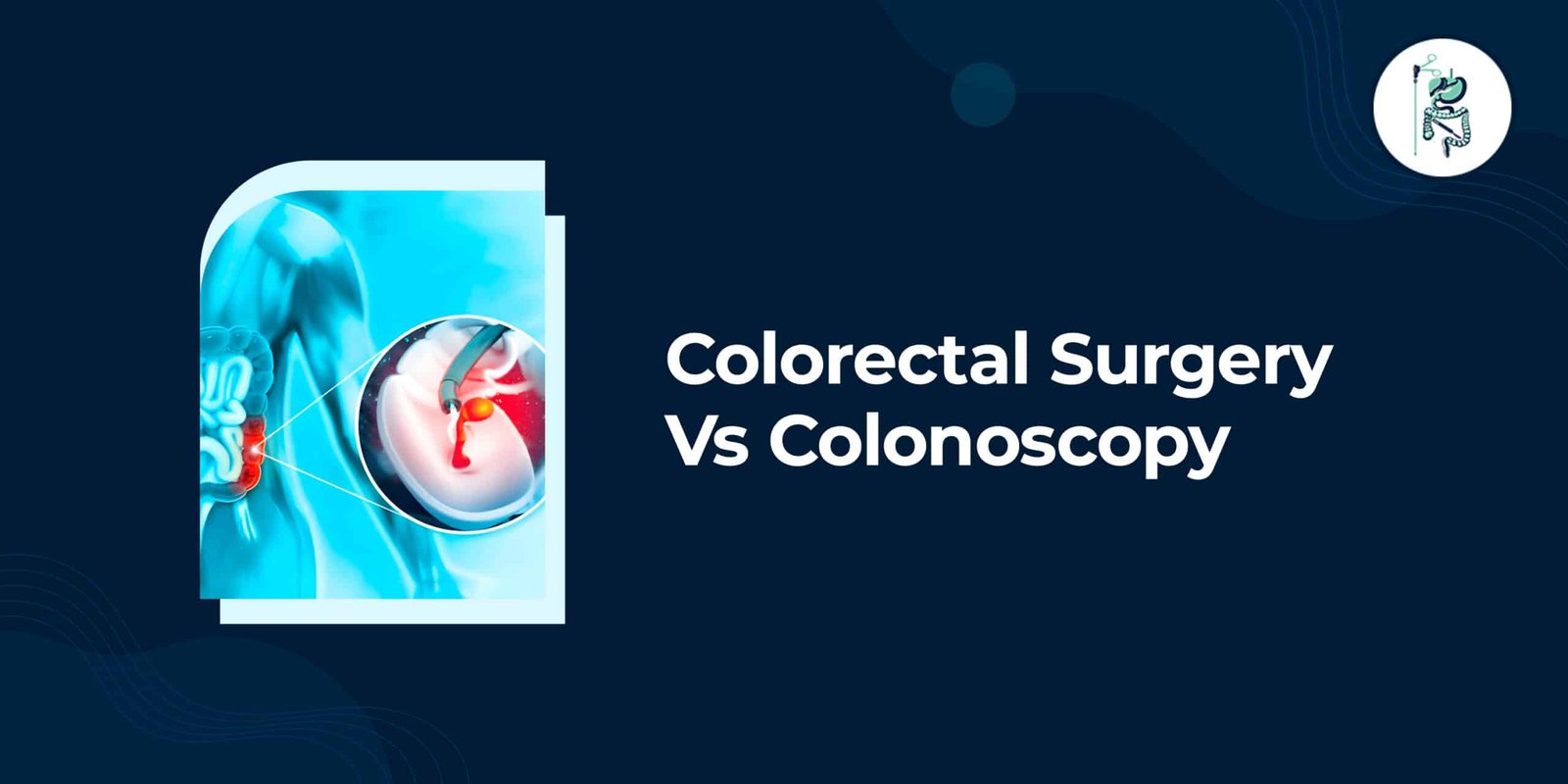
Understanding the difference between colonoscopy and colorectal surgery helps patients make informed decisions about their digestive health. A colonoscopy is a diagnostic procedure performed by a gastroenterologist to examine the colon and rectum, allowing for tissue sampling and polyp removal when necessary.
Colorectal surgery, in contrast, is an operative intervention performed by a colorectal surgeon to address conditions that go beyond the scope of endoscopic treatment, such as cancer, severe inflammatory bowel disease, or complicated diverticulitis.
Key Points:
- Diagnostic vs Therapeutic Roles: Gastroenterologists use colonoscopy for diagnosis and minor interventions, while colorectal surgeons focus on surgical correction of structural issues.
- Indications: Colonoscopy is used for routine screening and diagnosis, while surgery is recommended when medical management alone cannot resolve the condition.
- Recovery: Colonoscopy typically allows same-day return home, whereas colorectal surgery involves longer hospital stays and extended recovery.
These distinctions clarify how each approach contributes to comprehensive colorectal care, from initial screening to definitive surgical treatment.
Overview of Procedures
Understanding the distinct roles of gastroenterologists and colorectal surgeons helps patients navigate digestive health concerns with clarity. Gastroenterologists focus on diagnostic endoscopic procedures while colorectal surgeons manage operative interventions for conditions affecting the colon, rectum, and anus.
Patients often start their care journey with a gastroenterologist who performs a colonoscopy to examine the digestive tract. This procedure allows for tissue sampling and polyp removal when needed during the same visit.
Colorectal surgeons become involved when conditions require surgical treatment beyond what endoscopy can address. These specialists complete additional training in operative techniques after general surgery residency.
Many patients encounter both types of physicians during their treatment process. A gastroenterologist might identify cancer or inflammatory bowel disease during colonoscopy, then refer the patient to a colorectal surgeon for procedures such as colectomy or proctectomy.
Diagnostic vs Therapeutic Roles
The fundamental difference between these specialists lies in their approach to identifying versus correcting digestive tract conditions. A gastroenterologist uses tools like colonoscopy for diagnosis and minor therapeutic interventions. A colorectal surgeon focuses on surgical correction of structural problems in the colon, rectum, and anus.
Colonoscopy serves primarily as a diagnostic procedure. Gastroenterologists examine the colon lining to detect polyps, cancer, or signs of inflammatory bowel disease. They can also perform polypectomy to remove small growths during the same session.
Some conditions require more than visual inspection. When patients develop diverticulitis, hemorrhoids, or anal fistulas, medical treatment alone may not suffice. These situations often call for surgical expertise beyond standard endoscopic capabilities.
Colorectal surgeons handle complex cases that demand structural repair. They perform operations such as colectomy, proctectomy, or low anterior resection when cancer or severe disease affects the bowel. Their training emphasizes operative techniques that address physical damage or obstruction.
Indications for Colonoscopy
Colonoscopy serves as both a screening method and diagnostic tool for various colorectal conditions. This procedure allows direct visualization of the colon and rectum to identify abnormalities early.
Patients often receive referrals for routine screening based on age and family history. Those with hereditary conditions like Lynch syndrome or FAP may need earlier evaluation by a gastroenterologist.
Symptoms such as rectal bleeding, changes in bowel habits, or persistent abdominal pain prompt further investigation. These signs may indicate polyps, hemorrhoids, or inflammatory bowel disease requiring assessment.
Monitoring known conditions represents another key indication. Individuals with ulcerative colitis or Crohn disease undergo regular colonoscopies to track disease activity and detect complications.
Abnormal results from stool tests also lead to colonoscopy referrals. A positive fecal immunochemical test or gFOBT warrants direct examination to confirm findings and guide next steps.
Indications for Colorectal Surgery
Surgical intervention becomes necessary when medical management alone cannot adequately address certain colorectal conditions. A gastroenterologist often identifies these situations during routine screening procedures or when symptoms continue despite initial treatment attempts.
Colonoscopy serves as the primary diagnostic tool for identifying issues like large polyps, bleeding sources, or tissue changes requiring further attention. When endoscopic removal proves insufficient or unsafe, referral to a colorectal surgeon follows for more definitive care options.
The difference between continuing with colonoscopy-based approaches and moving to colorectal surgery depends on several factors. These include the size and location of abnormalities, patient overall health status, and whether symptoms persist after multiple endoscopic interventions.
Understanding when surgery becomes the preferred path helps patients make informed decisions about their care. A colorectal surgeon evaluates each case individually before recommending operative treatment over continued endoscopic management (our best consultant proctologist in Siliguri can provide personalized guidance on these treatment pathways).
Benign Conditions
Many non-cancerous conditions may require surgical intervention when complications arise or symptoms significantly impact quality of life. Complicated diverticulitis often leads to surgery when abscesses form or perforations occur that cannot be managed through antibiotics alone.
Severe hemorrhoids that cause ongoing bleeding or prolapse may need surgical removal when office-based procedures fail to provide relief. Chronic anal fistulas and fissures frequently require operative repair when conservative treatments like sitz baths and medications prove ineffective.
Inflammatory bowel disease such as ulcerative colitis or Crohn disease sometimes necessitates colectomy when medications cannot control inflammation or complications develop. J-pouch reconstruction may follow colon removal to restore bowel continuity and function.
These benign conditions represent cases where prolonged endoscopic management reaches its limits. A proctologist or colorectal surgeon assesses whether operative intervention offers better long-term outcomes than continued non-surgical approaches.
Malignant Conditions
Colorectal cancer treatment often involves surgical removal of affected tissue as a primary intervention. Colon cancer typically requires colectomy to excise the tumor along with surrounding lymph nodes for complete staging and treatment.
Rectal cancer may need procedures like low anterior resection to remove tumors while preserving sphincter function when possible. Proctectomy becomes necessary for lower tumors that cannot be addressed through less extensive surgical methods.
Treatment plans often combine surgery with radiation or chemotherapy based on cancer staging results. A colorectal surgeon works alongside oncologists to determine the optimal sequence of therapies for each individual case.
Hereditary conditions like Lynch syndrome or FAP may prompt prophylactic surgery even before cancer develops. Early consultation with a colorectal surgeon helps patients understand all available treatment pathways for malignant disease.
Procedure Details
Each procedure follows established protocols designed to ensure patient safety and optimal outcomes. The difference between a colonoscopy and colorectal surgery lies in their purpose and scope. One serves as a diagnostic tool while the other addresses structural problems.
A gastroenterologist performs colonoscopy as an endoscopic examination. A colorectal surgeon conducts surgery when disease requires removal or repair. These distinct medical roles reflect different levels of intervention.
Patients undergo colonoscopy for screening or evaluation of symptoms. Colorectal surgery becomes necessary when conditions such as cancer or severe inflammatory disease demand operative treatment. The choice depends on findings and clinical presentation.
Understanding these distinctions helps patients prepare for what each approach involves. Both require careful planning and coordination with specialized medical teams.
Colonoscopy Steps
A colonoscopy involves systematic examination of the entire colon through a flexible scope. The process begins with bowel preparation the day before the procedure. This step clears the colon for clear visualization during the examination.
Patients receive sedation before the scope insertion begins. The gastroenterologist advances the instrument through the colon while inspecting the lining for abnormalities. This systematic approach allows detection of polyps and other lesions.
When a polyp appears during the procedure, removal occurs through a technique called polypectomy. The physician captures tissue samples if suspicious areas require further analysis. These actions happen within the same session when possible.
After scope withdrawal, staff monitor patients during recovery from anesthesia. Observation focuses on immediate complications such as bleeding or perforation. Most individuals return home the same day after meeting discharge criteria.
Surgical Approaches
Colorectal surgical procedures range from minimally invasive laparoscopic techniques to open operations depending on the condition and anatomy involved. Surgeons complete specialized training beyond general surgery residency before performing these operations. Additional fellowship programs focus on diseases of the colon, rectum, and anus.
Laparoscopic colectomy uses several small incisions rather than one large opening. The surgeon removes diseased sections through these ports while viewing the field on a monitor. This method often reduces recovery time compared to traditional approaches.
Robotic-assisted procedures offer enhanced precision for complex cases in the pelvis. The technology provides magnified three-dimensional views and steady instrument control. These systems complement rather than replace surgeon judgment during operations.
Open surgery remains necessary for certain advanced conditions or when anatomy presents challenges. Proctectomy and low anterior resection represent examples where extensive exposure may be required. The selected approach balances disease extent with patient factors to achieve the best outcome.
Risks and Complications
Both colonoscopy and colorectal surgery carry inherent risks that patients should understand before consenting to procedures. Each option presents different levels of concern based on the patient’s condition and treatment needs. Colonoscopy generally maintains a lower risk profile compared to surgical interventions.
During colonoscopy the main concerns involve bleeding or perforation of the colon wall. These issues occur most often when a doctor performs a polypectomy to remove growths. Most patients recover quickly when such events arise during the procedure.
Colorectal surgery involves more significant risks including infection at the surgical site. Anesthesia complications represent another concern during major operations on the colon or rectum. Patients may also experience longer-term functional changes after extensive resections.
The difference between these approaches depends on the underlying condition. A gastroenterologist typically handles colonoscopy while a consultant proctologist manages operations on the colon, rectum, or anus. Patients with cancer, severe diverticulitis, or inflammatory bowel disease often require surgical intervention despite higher risks.
Recovery and Aftercare
Recovery expectations differ dramatically between diagnostic procedures and major surgical interventions. A colonoscopy allows most patients to return home the same day and resume normal activities within 24 hours. Colorectal surgery requires extended hospital stays and gradual return to daily function over weeks or months.
After colonoscopy, patients typically follow basic restrictions for one day. They avoid heavy lifting and certain medications while the sedation wears off. A gastroenterologist provides specific instructions based on findings like polyp removal during the procedure.
Following colorectal surgery, patients experience a structured progression of care. Hospital stays often last several days to a week. Diet advances slowly from liquids to solids while the surgical team monitors healing of the colon, rectum, or anus.
Specialty centers like Alabama Colon Rectal Institute and practices led by surgeons like Karen Zaghiyan MD provide structured aftercare protocols. These programs include scheduled follow-up visits, wound care guidance, and activity milestones tailored to each patient. A colorectal surgeon coordinates these steps with the broader medical team to support optimal healing after procedures such as colectomy or proctectomy.
When One Leads to the Other
Colonoscopy findings frequently inform or directly lead to surgical decision-making in colorectal care. When screening reveals advanced disease, patients often move from the gastroenterologist to a colorectal surgeon for further treatment. This pathway ensures appropriate care based on the severity of each case.
Detected cancer often requires surgical removal when tumors prove too large for endoscopic techniques alone. The gastroenterologist performs the initial colonoscopy, then refers the patient to the surgeon for procedures such as colectomy or low anterior resection. This collaboration creates a clear path from diagnosis to definitive treatment.
Large polyps unsuitable for endoscopic removal present another common trigger for surgery. When these growths exceed safe limits for polypectomy during colonoscopy, patients receive referral to a colorectal surgeon. Surgical excision provides complete removal while protecting surrounding tissue from potential complications.
Complications during endoscopy can also shift care from diagnostic to surgical management. Perforation or uncontrolled bleeding during colonoscopy may require immediate surgical intervention to repair damage. The relationship between specialists supports optimal outcomes through shared expertise and coordinated treatment planning.

Dr Vishant Deo Editorial Team
Led by Dr. Vishant Deo (MBBS, MS General Surgery), one of the best Laparoscopic & Cancer Surgeons in Siliguri.
A gold medalist in MBBS, Dr. Deo has trained at top institutions including Tata Memorial Hospital, AIIMS, and Fortis Hospital. He is an active member of the Association of Surgeons of India (ASI) and practices at Star Hospital, Siliguri.
All content is reviewed for medical accuracy and patient education.