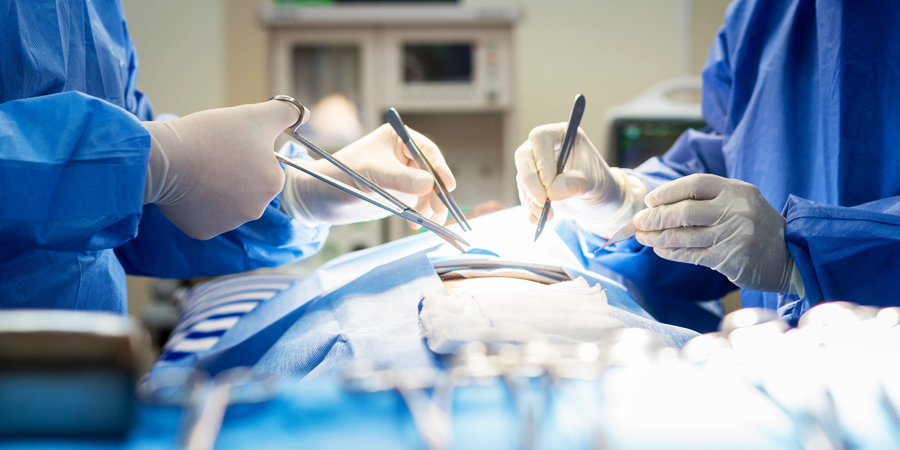
Gynaecological Cancer Surgery is a cancer treatment that mainly focuses on the removal of malignant cells and tissues from gynaecological organs such as uterus, cervix, vagina, ovaries and fallopian tubes. Prior to the surgery doctor might conduct various biopsies and tests to determine the stage of cancer and course of treatment. There are various types of gynaecological surgical procedures where some of the procedures include the removal of tumours and malignant cells while some doctors might remove the entire uterus including the cervix. Following are some of the major procedures used in treating gynaecological cancers.
Types of Gynaecological Cancer Surgery
Debulking Surgery : Debulking Surgery is one of the most common types of gynaecological cancer surgery that includes conducting an operation to decrease the number of cancer cells in the body. The surgery is mostly conducted prior to chemotherapy.
Hysterectomy : Hysterectomy is mostly conducted among women to treat cancer cells that have been affecting the woman’s reproductive organs. The procedure includes the removal of the entire uterus including the cervix, fallopian tubes, lymph nodes and parts of the vagina. This type of surgery is performed to reduce the spread of cancer in the body.
Have A Question or Need A Second Opinion?
9873O 18577
Book An Appointment
Oophorectomy : Oophorectomy also known as ovariotomy is a surgical procedure used to remove the ovaries from the body. The surgery is mostly conducted to begin menopause immediately. Oophorectomy is done to treat various forms of diseases as well as help to reduce the risk of certain types of cancers
Omentectomy : Omentectomy is a surgical procedure that includes the removal of some part of the entire momentum from your body. The omentum is a layer of fatty tissues that act as one of the major causes of cancer in the abdominal organs of the body.
Lymph Node Removal : Lymph node removal also known as Lymphadenectomy is a common surgical procedure that includes removal of lymph nodes which is later used to identify the state of the cancer.
It is advised to avoid long travelling or taking flights for 24 hours after the surgery. You may also consult with your doctor regarding your travelling plan.
Some of the early side effects of cancer surgery include pain, discomfort in the operating area, fatigue and drug reactions. However, most of these side effects are temporary and may last for a few weeks.
Cancer surgery is one of the most common treatments for cancer, although it does not guarantee a cure. The surgery includes the removal of cancer cells from the body as much as possible to avoid spreading cancer to the rest of the body.
Helps get rid of the pain of cancer, improves the quality of life, and prevents from growth of cancer in future, removal of malignant tumours from the body prevents future health complications.
Cancer surgery is used to remove the malignant cells from the body and therefore the need for chemo highly depends on the type and stages of cancer. Generally, chemotherapy is mostly used to prevent the growth of cancer in the future.
Associations & Memberships
Dr Vishant Deo is among the leading general and advanced laparoscopic surgeons who have been associated with some of the most reputed medical institutions during his career some of which include:
Publications & Presentations
Case Report "Unusual foreign body in male urethra - Sewing Needle" - in Journal Of Medical College.
Article with title "Penetrating cardiac injury; Sustaining health by building team resilience in growing civilian violence" - in British Medical Journal.
Article with title "Cotrimoxazole: Wonder drug in the era of multiresistance" - in Journal Of Laboratory Physician.
Poster presentation in Trauma Conference, BFHUS Traumacon.